
Can You Change the Name of Your Own Private Island?
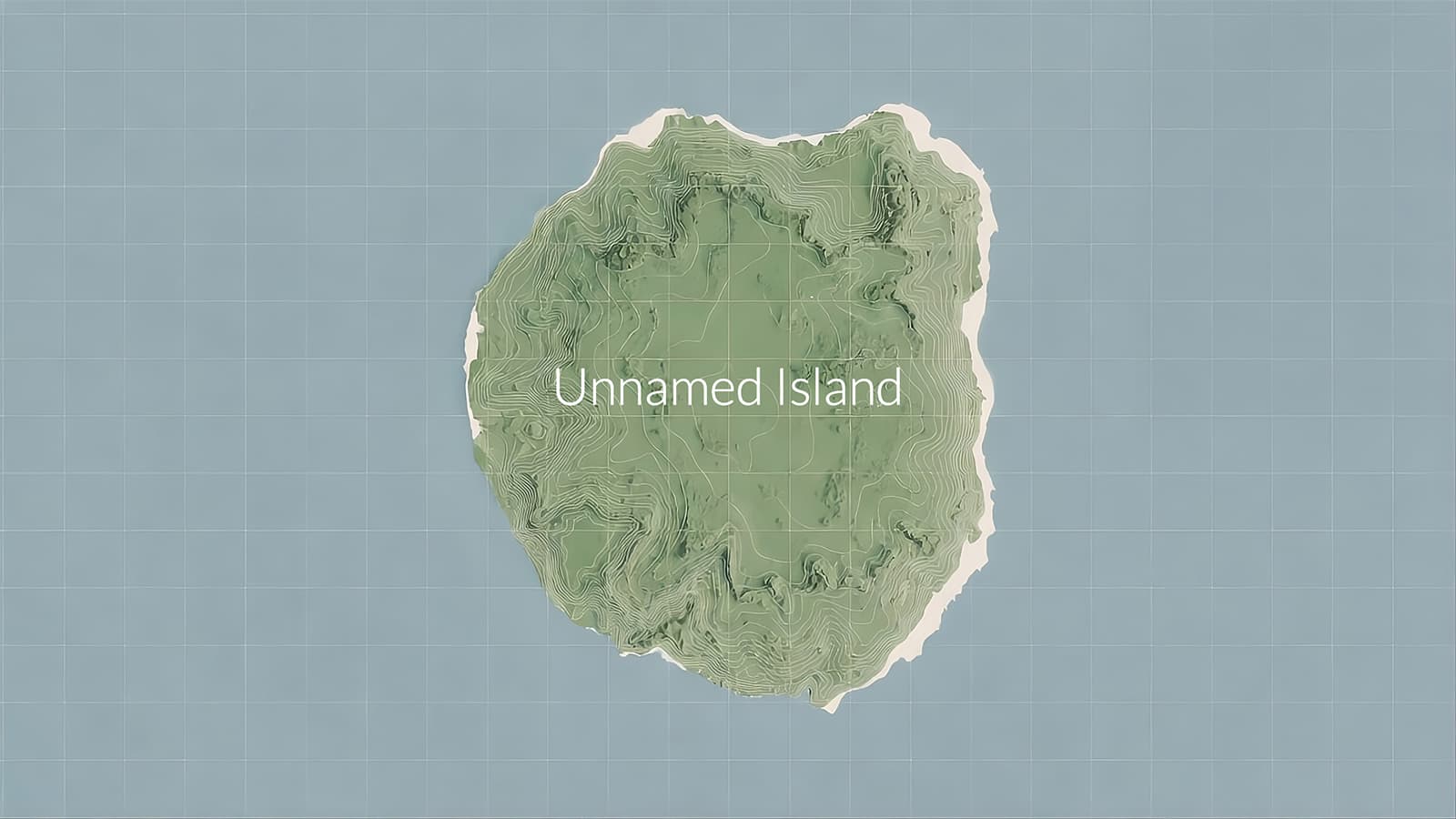
Table of contents
Informal vs Official Island Names: What’s the Difference?
Can you change the name of a private island? The answer depends on whether you mean an informal or commonly used name versus an official geographic name, as these operate under very different rules.
TL;DR:
- Informal/brand name: You can use any name for marketing and everyday use.
- Property/estate label: Used in listings or local context; it doesn’t automatically change maps.
- Official geographic name: Requires government review through the relevant naming authority.
An informal or commonly used name is simply what people call the island in everyday talk, marketing, or personal preference. You can pick any name you like for this – there’s no approval needed. These names show up in branding materials, travel listings, resort websites, or casual conversations.
An official geographic name is the standardized label used by governments on maps, charts, and official documents. Changing this requires approval from specific authorities and follows strict guidelines that vary by country. It’s not a decision an owner can make unilaterally; it depends on the relevant naming authority’s policies and review process.
There’s also a property or estate name, which is the label an owner may use for a parcel in listings, documents, or local property contexts. Property systems usually identify land through parcel identifiers and legal descriptions, and changing an estate label does not automatically update maps.
These distinctions matter because a private island’s estate/property label in property or listing contexts doesn’t change the official geographic name, and informal names bypass both entirely.
Key takeaway: You can brand a property name freely; official map names require government review.
| Name type | What it’s used for | Who controls it | Where it appears |
|---|---|---|---|
| Informal / brand name | Marketing, hospitality, personal use | Owner | Websites, listings, signage |
| Property / estate label | Listing/estate identity; local references | Owner (sometimes subject to local rules) | Listings, local documents (not standardized maps) |
| Official geographic name | Standard reference for the public | Government naming authority | Official maps, charts, gazetteers |
Real-World Examples of Informal Naming
Imagine you own a small rental island off Belize and market it as “Paradise Cay Retreat” on booking sites and signs. Tourists arrive, yet official maps and nautical charts may still show the standardized geographic name. The branding works fine for business.
For personal use, owners often adopt a nickname without pursuing any official change.
Pros and Cons of Each Approach
Using an informal or commonly used name:
- Quick and free – no approvals required.
- Flexible for branding or personal use.
- Works well for marketing and daily purposes.
- Limited to non-official contexts; maps and records stay the same.
Pursuing an official geographic name change:
- Could appear on maps and charts for lasting recognition.
- Builds consistency across official records.
- Faces high scrutiny and potential rejection.
- Takes time and varies widely by country.
Informal naming offers flexibility for most owners, but official changes depend on authorities and policies. Whether you can legally pursue an official change depends primarily on your country and its geographic naming rules.
Can Private Island Owners Legally Rename Their Island?
Renaming an island’s official geographic name is not a decision made by the owner alone. It requires approval from a governmental body, and the process varies significantly across countries.
United States: How Official Name Changes Work (Overview)
In the United States, official geographic names are standardized by the U.S. Board on Geographic Names (BGN). Proposals are reviewed through a public process that considers documented local usage, stakeholder input, and whether the change serves the public interest. Before proposing a change, check the Geographic Names Information System (GNIS) to confirm whether the feature already has a standardized name.
In the U.S., review timelines vary and often take several months to a year or more, depending on consultation requirements, the level of local support, and whether objections arise.
Factors That Influence Feasibility
- Existing standardized name vs unnamed in records. An unnamed island can be simpler to name than changing an established one, but it still requires review.
- Size/prominence and navigational relevance.
- Documented local usage and support.
- Indigenous/historical/cultural significance and stakeholder input.
The Approval Requirement and “Compelling Reason”
Most authorities require a public-interest rationale – such as correcting an error, restoring well-documented historical usage, improving clarity where names are confusing or duplicated, or resolving conflicts in local usage. Requests based purely on personal preference or marketing are often viewed as insufficient.
In the U.S., proposals that read primarily as advertising or commercial branding may be rejected. Naming decisions generally aim to serve public clarity and consistent geographic reference rather than promote a business.
Because the naming process is public-facing and often involves consultation, other stakeholders may comment on your proposal. Local government, indigenous groups, neighboring property owners, and community members may all have input.
Key Considerations Before Proposing a Name Change
If you are thinking about officially renaming your island, evaluate whether pursuing a formal proposal makes sense:
- Local support: Have you consulted with neighbors and community groups about the proposed name?
- No living persons (U.S. policy): In the U.S., commemorative names for living persons are not considered. For commemorative proposals, the person typically must be deceased for at least five years and meet additional criteria (association with the feature/area, documentation, etc.).
- Historical check: Have you researched whether the proposed name conflicts with protected historical or indigenous names?
- Country-specific authority: Have you identified which governmental body in your country oversees geographic names?
Each jurisdiction has different rules, timelines, and approval standards. What works in one country may not apply in another, and some nations may not allow private citizens to propose changes at all.
Common Scenarios for Private Island Name Changes
When considering a private island name change, the situation you face plays a big role in what to expect. Different types of islands come with unique challenges and opportunities for either using an informal name or seeking official recognition.
Island with No Official Name
An “unnamed” island is a feature that does not appear with a standardized name in the relevant national gazetteer and is not labeled on official maps/charts commonly used in that jurisdiction. If a feature is truly unnamed, a proposal may be framed as assigning a name rather than replacing an established one – but it still requires review and consultation.
In countries with large numbers of small islands, it’s common for some minor features to be inconsistently labeled across maps or left unnamed in commonly used references – so verification in national sources matters before assuming a feature is officially unnamed.
Island with a Historical or Local Name
A historical or local name refers to an established name tied to community heritage, indigenous use, or long-standing tradition. These often resist changes due to cultural value and established recognition.
Proposals face higher hurdles because overwriting heritage can spark opposition and trigger broader stakeholder consultation.
Island as Part of a Larger Administrative Area
If your island falls within a larger administrative area like a municipality or region, naming gets tied to broader geographic structures beyond your control.
A single owner typically can’t dictate changes that affect regional maps or records, as decisions involve multiple layers of authority. Coordination with regional bodies adds complexity, often making official changes tougher than for isolated features.
A private island near a coastal town might require wider review due to municipal maps, often leading to informal use instead of official renaming.
Small Private Islands: Often Simpler, But Conditional
Smaller, fully private islands may draw less public attention, but approval outcomes and timelines still depend on the naming authority’s procedures, stakeholder consultation, and any cultural or navigational considerations.
Size alone doesn’t determine success: documented usage, local support, and policy compliance matter most.
Legal and Administrative Hurdles
- Property records use parcel IDs and legal descriptions; estate branding does not change official geographic names.
- Official map labels follow national naming authorities and gazetteers.
- If the feature appears on nautical charts, naming consistency can become a safety and clarity consideration, which may increase scrutiny during review.
Practical Reasons to Rename or Use a New Name
Many private island owners choose to adopt a new name for their property – though often as an informal or commercial identity rather than through an official geographic renaming process.
Branding for Resorts and Rentals
One of the most common reasons owners use a distinctive name is to create a recognizable brand identity for hospitality use. Whether operating a luxury resort, vacation rental, or wellness retreat, a carefully chosen name can become synonymous with the destination itself. You can market any brand name even if official maps keep the standardized geographic name.
Example: You market the property as “Coral Haven Resort” while official maps retain the standardized geographic name.
Marketing and Resale Value
Names also play a strategic role in marketing and resale. Potential buyers and lessees often search for island properties by appealing names, and listing descriptions frequently emphasize the character and identity of a place. A distinctive informal name can increase perceived value and attract premium offers.
However, clarity is essential during due diligence. When reselling or leasing, responsible owners should disclose whether the name used in marketing materials is the official geographic name or an informal brand name. Transparent communication prevents confusion and protects both buyer and seller.
How to Avoid Confusion in Listings
- Marketing name (brand/estate): The name used in ads, listings, signage.
- Official geographic name (if any): The standardized name shown in national gazetteers and official maps.
- Coordinates / nearest landmark: Helps buyers match the listing to mapping records.
- Administrative area: Country/region/municipality as applicable.
- Parcel/legal description: The legal identifier used for ownership and due diligence.
Personal and Cultural Reasons
Beyond commercial branding, owners may wish to rename a private island for personal, family, or cultural significance. A new owner might want to honor a loved one’s memory, reflect a cultural heritage, or simply choose a name that feels meaningful.
Some owners use informal names inspired by local languages, indigenous traditions, or personal history. This informal adoption is straightforward; seeking official geographic designation of that name involves the approval processes discussed earlier.
If a name carries historical, indigenous, or cultural significance to a local community, respect and consultation with that community matter greatly. Proposed names that erase or appropriate indigenous heritage may face community resistance and could be rejected by naming authorities on cultural grounds.
Choose Your Approach If
Match your goal to the right path: If your goal is marketing or guest experience, an informal or commercial name may be enough. If your goal is map or chart recognition, prepare for authority review and stakeholder consultation. For listings and resale, either approach can work. However, legal ownership and due diligence rely on parcel IDs and legal descriptions – not the marketed name. An official geographic name may help reduce confusion in maps and communications, but it doesn’t replace legal land identifiers.
Frequently Asked Questions
Yes, you can use any informal or commonly used name for your private island in day-to-day references, branding, or personal purposes. This approach works well for marketing or casual use without needing approvals.
Property systems identify land via parcel IDs and legal descriptions; an “estate name” is usually a marketing/label layer and does not update official map names.
No. A name change does not affect sovereignty, jurisdiction, or boundaries.
In the United States, the U.S. Board on Geographic Names (BGN) handles approvals for official geographic name changes, including for private islands.
A name change proposal might be rejected for lacking a clear public-interest rationale, conflicting with established usage, or proposing a commemorative name that doesn’t meet policy criteria. Historical or cultural sensitivity often plays a role too.
Historical or local names do not always prevent renaming a private island, but they raise hurdles due to cultural considerations and established usage. Proposals overriding such names face higher scrutiny.
Sources
- https://www.usgs.gov/us-board-on-geographic-names/guidance-name-proposals
- https://www.usgs.gov/faqs/how-can-i-propose-a-name-change-a-natural-feature
- https://www.usgs.gov/us-board-on-geographic-names/what-geographic-names-information-system-gnis
- https://www.usgs.gov/tools/geographic-names-information-system-gnis
- https://www.usgs.gov/us-board-on-geographic-names/instructions-geographic-names-proposal-submissions
- https://d9-wret.s3.us-west-2.amazonaws.com/assets/palladium/production/s3fs-public/media/files/DNC_PPP.pdf
- https://pubs.usgs.gov/fs/1999/0158/report.pdf
- https://nauticalcharts.noaa.gov/learn/chart-source-data.html