Energy Supply Options for a Private Island
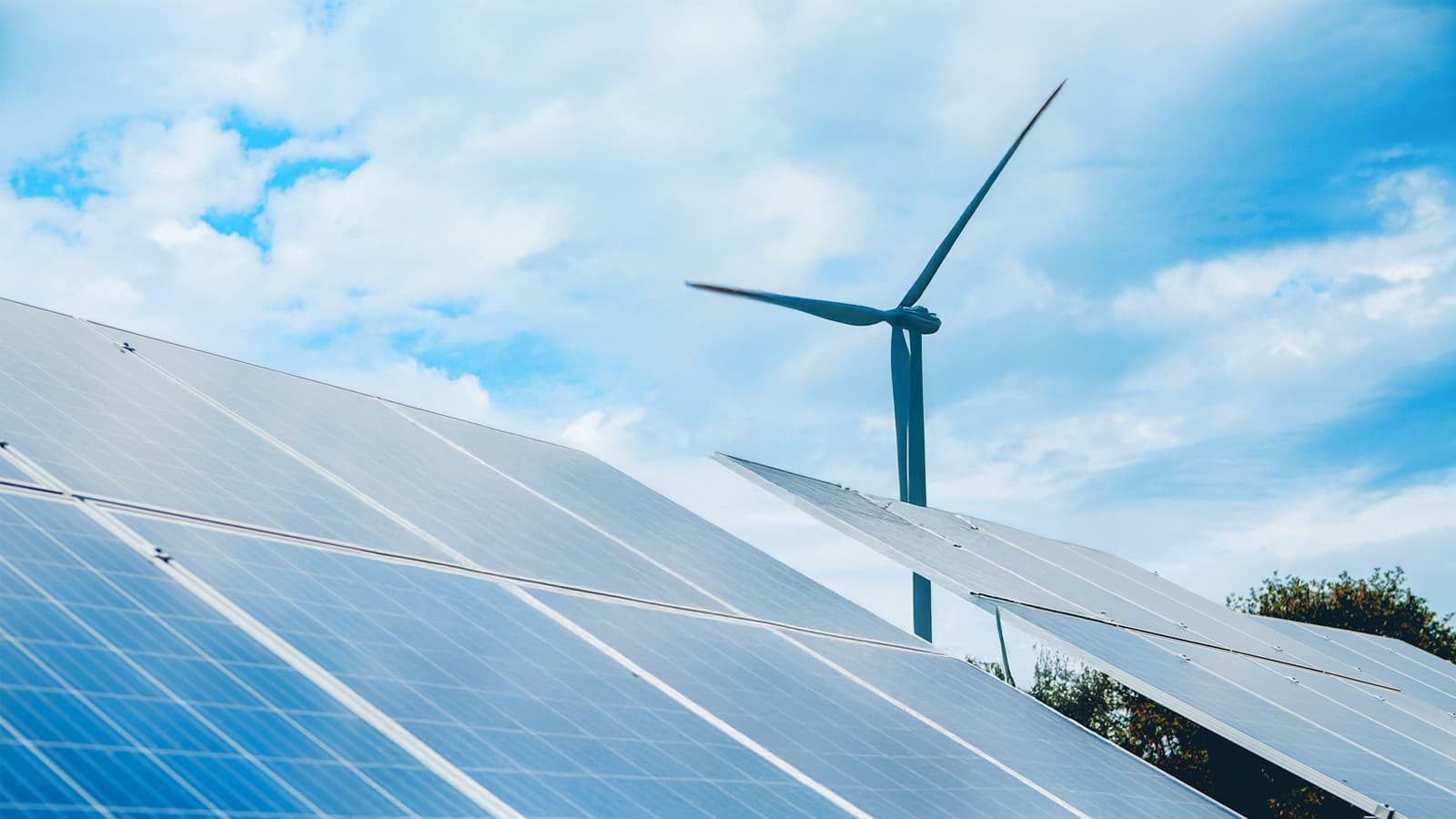
Table of contents
- Off-Grid vs Grid-Connected Island Power Systems
- Assessing Your Private Island’s Energy Needs
- Reduce Demand Before You Add Generation
- Solar Power for Private Islands
- Wind Energy Options for Islands
- Diesel Generators as Backup or Primary
- Propane (LPG) Generators as an Alternative to Diesel
- Hybrid Energy Systems for Reliable Supply
- Key Decision Factors for Your Island
- Common Mistakes That Cause Island Power Failures
- Building Sustainable Island Energy Infrastructure
- Common Questions About Private Island Power
- Sources
Off-Grid vs Grid-Connected Island Power Systems
The energy supply of a private island often starts off-grid, relying on on-island generation, while grid-connected setups use a submarine cable to link to a mainland utility grid. Private island owners and developers must weigh these options based on location, size, and reliability needs, as most private islands lack existing connections due to high setup barriers.
Off-Grid Island Power Systems
Off-grid means not connected to a utility grid via cable, so the island generates all its own electricity using local equipment. Many private islands, especially smaller or remote ones, default to this approach because building connections is impractical. Off-grid systems commonly include diesel generators as a primary source or backup, especially during early development or as a safety net.
Private islands face unique realities here: limited space for equipment, challenging access for maintenance, and variable demand from a few homes or a resort. These constraints often favor simpler systems early on, with upgrades added over time as demand becomes clearer.
- Pros: Full control over supply; no reliance on distant mainland infrastructure; quicker to set up for remote spots; scalable for small residential or growing resort needs.
- Cons: Fuel logistics raise costs and risks; storage needs take space; emissions affect local environment; requires backups for outages.
Grid-Connected Island Power Systems
Grid-connected means linked to a mainland or larger island utility grid via a submarine cable, an undersea electrical cable that carries power across water. This is feasible mainly for islands close to shore with shallow waters and supportive regulations, but many private islands find it challenging due to distance, seabed conditions, or high upfront expenses.
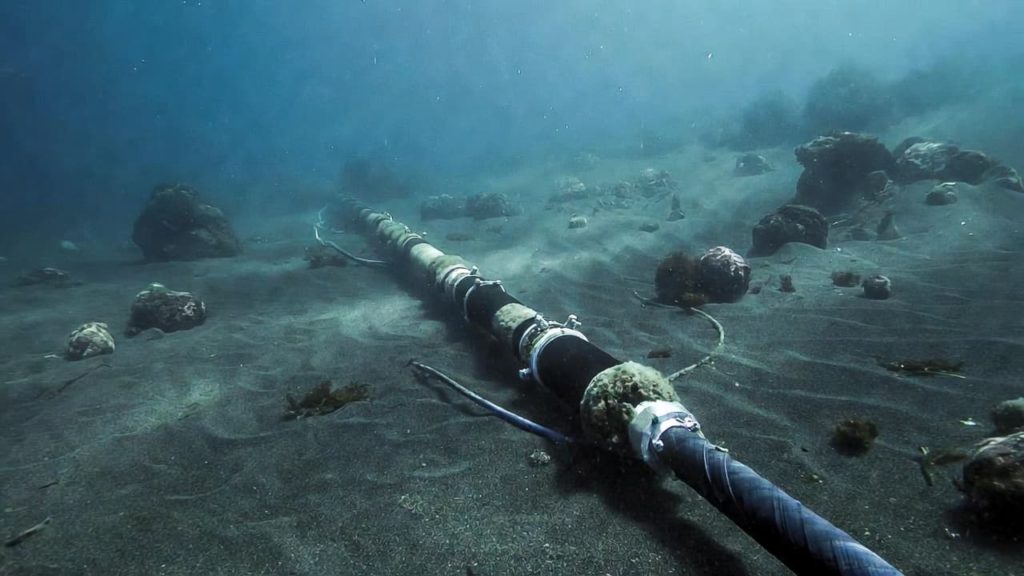
For private owners, this option suits larger, accessible islands near population centers, providing steady power for commercial resorts with minimal on-island generation in normal operation. However, cable failures or grid issues on the mainland can still disrupt supply, and not all locations make laying the cable practical.
- Pros: Reliable baseline power without local fuel needs; easier scaling for high-demand resorts; potential access to mainland renewables; lower daily management.
- Cons: High installation costs; vulnerable to cable damage or mainland outages; less common for remote private islands; regulatory hurdles.
Important reality check: Even grid-connected private islands often keep on-island backup (typically a diesel generator and sometimes batteries). Submarine cable repairs can be slow and expensive, and mainland outages still happen – backup capacity protects critical loads and guest operations.
- Red flags for grid-connection feasibility: long cable distance, deep water, complex seabed (rocky/coral), shipping lanes/anchoring risk, and lengthy permitting timelines.
To choose your starting direction, consider your island’s distance from shore, fuel access ease, and whether reliability trumps independence. Start by estimating demand so you can size any system properly.
Assessing Your Private Island’s Energy Needs
A solid island power supply starts with understanding your energy demand, which is the total amount of electricity needed over time, including daily totals and peak demand moments. Getting this right ensures you size any system appropriately without over- or under-building.
To assess demand correctly, you need a simple load inventory (what equipment you have), a basic daily usage pattern (when loads run), and a clear definition of what must stay powered during outages. The four inputs below are the minimum set used to size generation, storage, and backup without guesswork.
Energy Planning Inputs You Must Define First
Before selecting solar, wind, batteries, or generators, define these four planning inputs. They determine system size, cost, and reliability.
- Peak load (kW): the highest short-term demand your system must serve without voltage/frequency drop.
- Daily energy (kWh/day): total consumption across 24 hours.
- Critical loads (kW and kWh/day): what must stay on during outages (water, comms, refrigeration, safety).
- Autonomy target (hours/days): how long you want to run without sun/wind or without a fuel delivery.
Example: If your peak load is driven by air conditioning and pumps, your inverter and generator sizing will be set by short evening peaks, while your battery sizing will be driven by overnight critical loads and the autonomy target.
Define critical loads first: water pumps/pressure, refrigeration, security, medical/safety systems, basic lighting, communications, and server/network equipment (if applicable).
Set an autonomy target: choose a minimum number of hours you want to cover without starting diesel, then size batteries and backup around that target.
Island size and population directly shape energy demand. A smaller island with few residents requires far less power than a larger one supporting dozens or hundreds of people. For instance, a compact private island might power a single home or villa, while a bigger one could host multiple structures, influencing the scale of generators, panels, or cables needed.
Demand Profiles: Residential vs Resort Use
Small residential private island use typically involves basic needs like lighting, appliances, water pumps, and occasional air conditioning. This creates a steady, lower daily energy demand with moderate peaks during evenings or cooking times.
Resort or commercial-style use, however, brings higher and more continuous loads from guest rooms, kitchens, pools, spas, and lighting for events. Peaks spike during check-ins, dinners, or high-occupancy periods, demanding systems that handle surges reliably.
Daily use covers routine consumption spread across 24 hours, such as background appliances running overnight. Peak demand is the highest short-period usage level, like everyone turning on air conditioners at dusk. Why it matters: peak demand often drives system design decisions, as undersizing leads to blackouts during critical moments, while oversizing wastes resources.
To begin evaluating your setup, use this simple checklist to gather key inputs:
- Count all structures and their main appliances (lights, fridges, pumps).
- Estimate occupancy: permanent residents vs seasonal guests or visitors.
- Note high-use features: pools, desalination units, or electric vehicles.
- Track patterns: daily routines, evening peaks, or seasonal tourism swings.
- Factor island size: accessible land for panels vs limited space constraints.
- List climate influences: cooling needs in tropics or heating in cooler zones.
- Review access: ease of fuel delivery or maintenance for remote spots.
High-impact loads to account for early
- Desalination or water treatment (often a major continuous load)
- Water pumps and pressure systems
- Air conditioning / dehumidification (especially in humid climates)
- Commercial kitchens, refrigeration, ice machines (resort use)
- Laundry operations
- Pool pumps/heaters and spa equipment
- Dock equipment and workshop tools
- EV charging or electric carts
Once you have these details, you can model a few realistic scenarios to compare upfront costs, fuel logistics, and reliability trade-offs.
Start by reducing peak load and defining critical loads; then size solar, storage, and backup around those targets.
Reduce Demand Before You Add Generation
The cheapest and most reliable kW is the kW you never need to produce. Reduce peak demand first to shrink the size and cost of solar arrays, inverters, batteries, and generators.
- Use high-efficiency inverter air conditioners and dehumidifiers to reduce peak HVAC draw.
- Add variable frequency drives (VFDs) on pumps (water, pool, desalination) to cut surge loads and run-time.
- Schedule heavy loads (laundry, ice machines, desalination) during solar hours where possible.
- Improve building envelope: shading, insulation, reflective roofing, and airtightness reduce cooling demand.
- Use heat-recovery or heat-pump water heating instead of resistance heating where applicable.
Solar Power for Private Islands
Solar power serves as a core private island energy supply option through solar PV panels, which are photovoltaic panels that convert sunlight directly into electricity. These panels integrate into an island power system by generating direct current electricity during daylight hours, which an inverter then converts to alternating current for household or resort use.
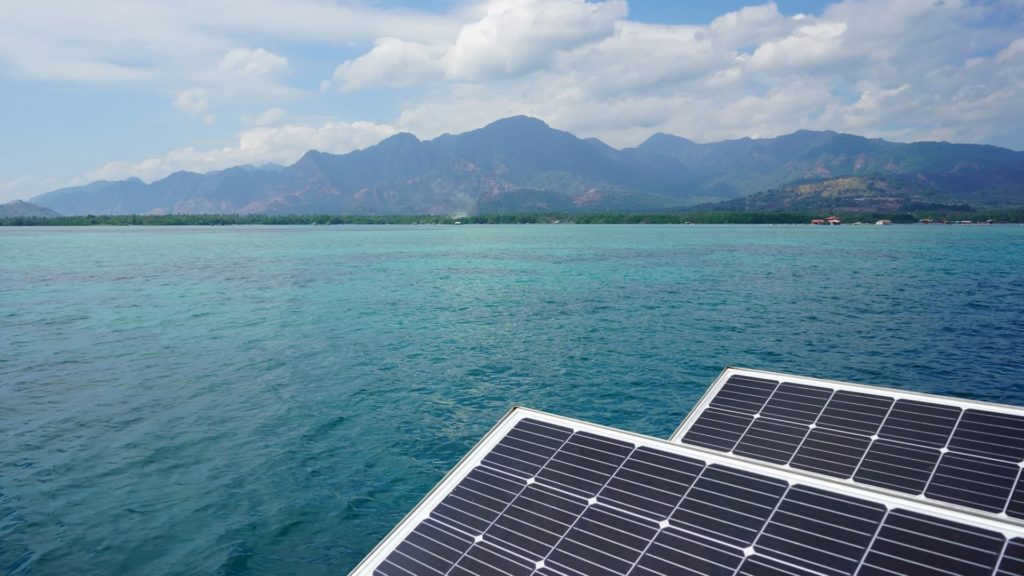
Battery storage pairs effectively with solar PV by storing excess daytime production for use at night or during cloudy periods. Solar is modular, so systems can scale from a single home to multi-building resorts as demand grows.
Sunny climates generally favor solar setups, though output varies by location and season. For small residential needs like lighting and appliances, a few dozen panels might suffice, scaling up for resort demands with air conditioning and pools.
Solar production faces intermittency, variable output due to day/night cycles and weather variability, meaning no generation at night or during prolonged clouds. Battery storage addresses short gaps by discharging stored power; longer low-sun periods are typically handled with storage plus backup capacity.
Pros and Cons of Solar for Private Islands
- Pros: Abundant sunlight on many islands boosts output; modular design allows easy scaling from homes to resorts; low ongoing fuel costs once installed; minimal noise and visual disruption if placed on roofs.
- Cons: Requires ample unshaded space, challenging on densely treed or steep islands; intermittency demands storage or backups for reliability; upfront space for batteries adds to footprint; lower efficiency in shaded or northern latitudes.
When Solar Fits a Private Island
- Sunny tropical or subtropical locations with consistent daylight.
- Small residential setups prioritizing simplicity over high peak loads.
- Islands with flat, open areas for ground-mounted arrays.
In practice, solar-only rarely meets 24/7 needs without storage and a backup plan for multi-day low-sun periods.
Design note: Solar PV output depends heavily on shading, salt spray, and storm exposure. Plan for panel cleaning access, salt-rated hardware, and mounting rated for local wind loads.
Wind Energy Options for Islands
Wind energy for islands offers a viable option for private island power, particularly where consistent breezes are present. Wind turbines are machines that generate electricity from wind, converting kinetic energy into power through rotating blades connected to a generator.
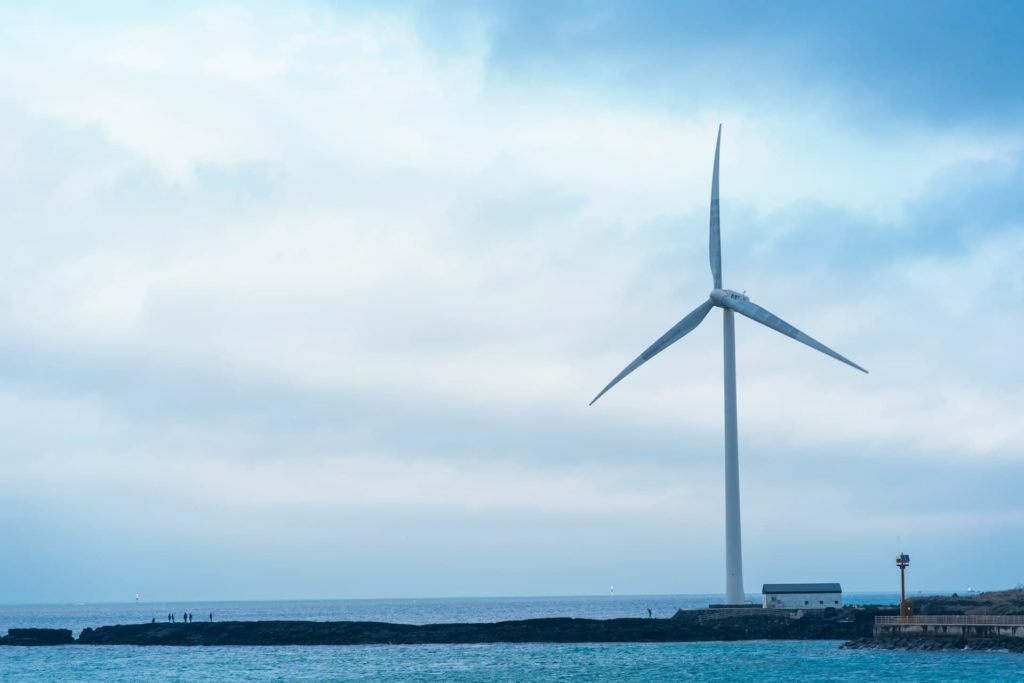
Islands and coastal areas often benefit from stronger, more steady winds due to geographic features like trade winds or open ocean exposure. This makes wind a natural fit for island energy, though site-specific assessments are essential to reduce uncertainty. A short measurement period or professional assessment helps confirm viability and avoids overestimating output.
Measurement rule: Do not size wind from a single “average wind speed” estimate. Use an on-site measurement campaign or a professional assessment that accounts for turbulence, seasonal variation, and extreme gusts.
Small-scale wind turbines suit many private islands, providing power for residential or small resort needs. Systems can range from small residential turbines to larger installations for multi-building properties, depending on site conditions and maintenance capacity.
Practical constraints to check before committing
- Turbulence from trees, cliffs, and uneven terrain can reduce output and increase wear.
- Noise and visual impact can matter on luxury islands and near guest areas.
- Maintenance logistics are real: cranes, spare parts, and technician access may be limited.
- Coastal corrosion and storm exposure require durable components and lightning protection.
Onshore wind turbines, placed on the island itself, contrast with offshore ones in surrounding waters. Key considerations include:
- Onshore setups are often more practical for private islands, with lower complexity and easier access for maintenance.
- Offshore turbines can capture stronger winds but involve higher complexity, such as marine foundations and corrosion challenges, making them less suitable for smaller private islands.
- Private island owners typically favor onshore for cost and logistics, while offshore may apply to larger developments with deeper waters nearby.
- Both types require space and minimal turbulence, but onshore avoids navigational hazards around the island.
Diesel generators are still widely used for backup power and peak support – especially during extended low-renewable periods.
Diesel Generators as Backup or Primary
Diesel generators remain a key component in many island energy setups, serving as a primary power source or reliable backup due to their ability to start quickly and meet demand on command.
Where Diesel Still Fits
In remote private islands, diesel generators often provide the initial power solution, especially during development phases for small residential properties or resorts. Even in setups aiming for more renewables, diesel generators act as a safety net. Smaller islands with limited space for other equipment frequently rely on them as the main source until alternatives scale up.
Fuel Logistics Challenges
One major drawback in island power supply is fuel logistics. Diesel must be imported by boat or barge, which depends on weather, shipping schedules, and island accessibility. Remote locations face delays during rough seas, potentially leaving reserves low. Storage requires secure tanks to prevent spills, and regular refueling adds ongoing planning. These factors make fuel supply a critical consideration, often tipping the balance toward systems that minimize diesel use over time.
Reliability Value
Diesel generators excel in reliability, ramping up in minutes to cover fluctuations or gaps from variable sources. They handle peak periods without delay, providing consistent voltage and frequency essential for modern appliances and systems. This makes them ideal as backup in private island scenarios where power interruptions could disrupt operations or safety.
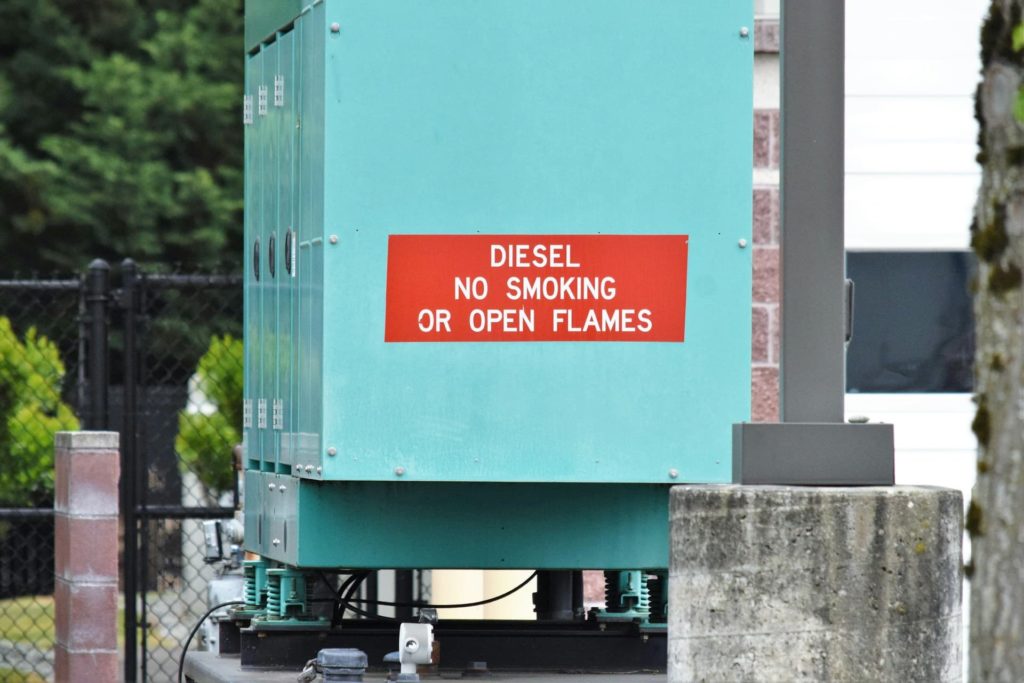
Here are the main pros and cons of diesel generators in private island contexts:
- Pros: Instant startup for immediate power; high reliability during bad weather or high demand; scalable for small residential or resort needs; proven technology with straightforward operation.
- Cons: Fuel import and storage logistics increase complexity and vulnerability; emissions contribute to environmental concerns; limited runtime based on stored fuel volume.
Best practice note: Best practice is to size diesel for critical loads and peak support, not to run continuously at low load – low-load operation can cause wet stacking, higher maintenance, and shorter engine life.
Reducing Diesel Dependence Over Time
Many private island owners start with diesel generators as primary but plan to shift them toward backup roles using a phased approach that gradually shifts diesel from “primary” to “backup” as renewables and storage are added. Hybrid systems coordinate multiple sources to improve reliability and reduce diesel runtime.
Propane (LPG) Generators as an Alternative to Diesel
In some island locations, propane (LPG) generators can simplify fuel handling and reduce odor and soot compared to diesel. LPG can be delivered in tanks and stored on-site using approved tank systems.
Selection rule: Choose LPG only if you can confirm dependable delivery frequency, on-island storage capacity (tank size and placement), and local code compliance for above-ground or buried tanks. If any of these fails, diesel remains the more predictable backup fuel on remote islands.
- Best fit: islands with reliable LPG delivery routes or nearby suppliers.
- Main trade-off: fuel availability and pricing vary by region; verify supply reliability before committing.
Hybrid Energy Systems for Reliable Supply
A hybrid energy system combines multiple power sources and storage technologies into one coordinated network, allowing a private island to draw from renewables when available and switch seamlessly to backup power when needed. Rather than relying on a single source, hybrids integrate solar panels, wind turbines, battery storage, diesel generators, and intelligent controls to maintain steady electricity supply despite weather changes and varying demand.
The core advantage of hybrid systems is stability. Islands face two key challenges: renewable energy sources like solar and wind produce power unpredictably – higher during sunny or windy periods and lower during calm or cloudy conditions – and island grids cannot always borrow power from neighbors as mainland systems do. A hybrid system solves this by storing excess renewable energy in batteries during high-generation periods and releasing that stored power during low-generation periods, reducing the need to fire up diesel generators.
How Hybrid Systems Manage Energy Across Conditions
A hybrid island power system operates through an automated control layer, often called an Energy Management System (EMS) or microgrid controller.
This control layer is software and hardware that balances generation, storage, and demand in real time – deciding when to prioritize solar/wind, when to charge or discharge batteries, and when to start backup generation.
What the controller must enforce: generator minimum loading, battery charge/discharge limits, reserve margin for sudden peaks, and automatic load shedding for non-critical loads during emergencies.
Here is how energy flows through a hybrid system across typical scenarios:
- Normal renewable generation: When wind and solar output is high and demand is moderate, the system prioritizes renewable power to the island’s loads (homes, businesses, pumps). Any excess renewable energy charges the batteries for later use.
- Low renewable periods: On calm, cloudy days when solar and wind output drops, the system draws stored energy from batteries to meet demand. This avoids diesel generator startup and reduces fuel costs.
- Peak demand: When the island’s electricity use spikes (for example, many air conditioners running during heat or resort check-in times), the system may discharge batteries quickly and, if needed, start diesel generators to meet the peak without service interruptions.
- Backup and emergency conditions: If batteries are depleted and renewable generation remains low, diesel generators activate as a reliable fallback, ensuring the island never loses power.
This layered approach means hybrid systems rarely run diesel generators at full capacity. Instead, diesel operates occasionally and for shorter durations, which lowers fuel consumption and operating costs compared to islands reliant primarily on diesel.
Why hybrids are common on islands:
- Intermittency management: Batteries absorb renewable output swings, reducing demand for fuel-based backup.
- Fuel logistics: Diesel deliveries to remote islands are expensive and sometimes delayed. Hybrids reduce fuel needs and transportation risk.
- Grid stability: Coordinated control prevents voltage sags and blackouts that older, single-source island grids often experience.
- Operational simplicity: Automated dispatch reduces manual switching and helps avoid unstable voltage/frequency during sudden load changes.
Component choices depend on your site conditions, logistics, and demand profile – and should be sized accordingly.
Key Decision Factors for Your Island
Choosing the right energy infrastructure for a private island requires balancing multiple practical constraints. This section walks through the core decision factors that will shape your island energy infrastructure decisions, along with a checklist and simple decision guidance to help you prioritize which power sources and systems make sense for your situation.
Decision Factors Checklist
Before evaluating specific technologies, gather information about these factors:
- Island size and population
- Demand type and usage patterns
- Climate and weather patterns
- Accessibility and fuel logistics
- Setup and operating costs in general terms
- Reliability and maintenance expectations
- Scalability and growth potential
- Sustainability and environmental impact
Decision Guidance: Choose If
Use these grouped prompts to narrow down which energy sources and system configurations are likely the best fit for your island:
Resource and Climate Fit
- Choose more solar emphasis if your island has consistent, high sunlight year-round with minimal seasonal variation and relatively flat terrain or good roof space for panels.
- Choose more wind emphasis if your island is coastal, elevated, or in a region with reliable prevailing winds, or if seasonal wind patterns complement your demand.
- Prioritize diverse renewable sources if your island experiences strong seasonal swings in both weather and demand, so that wind and solar can offset each other across seasons.
Accessibility and Logistics
- Plan for higher diesel backup capacity if your island is remote, resupply visits are infrequent, and technician travel is expensive or time-consuming. This reduces the risk of outages during extended low-renewable periods.
- Invest in battery storage if your island is difficult to reach and generator maintenance is costly or delayed. Batteries reduce your dependence on emergency fuel runs.
- Consider grid connection if your island is close to a mainland power network and submarine cable costs are manageable; this trades upfront infrastructure for simplified ongoing supply.
- Plan for local training and spare parts inventory if external support is unreliable; this builds resilience and reduces downtime during equipment failures.
Reliability, Maintenance, and Growth
- Prioritize storage and hybrid coordination if your island demand is unpredictable or growing, because a coordinated system can balance variable renewable output with stable backup without constant manual intervention.
- Choose hybrid systems if you want to reduce diesel consumption over time using a phased approach, adding renewables and storage as demand becomes clearer.
- Plan for scalability if you anticipate expansion from residential to resort or commercial use. A modular hybrid foundation can accommodate growth more cost-effectively than rebuilding from scratch.
If your island targets luxury guests, include non-technical constraints in the decision: generator noise, turbine visibility, equipment placement, and aesthetic screening can affect guest experience and site planning.
Professional energy assessments and cost modeling are strongly recommended to estimate setup costs and compare scenarios specific to your island’s size, demand, and resources.
Quick directional guidance
- Start with critical loads and a target autonomy window; these two inputs drive every sizing decision.
- Solar + batteries is the default foundation where sunlight is strong and you have unshaded mounting space.
- Add wind only after a site assessment confirms low turbulence and reliable seasonal output.
- Use diesel or LPG as backup for multi-day low-renewable periods, peak events, and emergencies.
- Use a hybrid controller (EMS) to enforce reserves, protect batteries, and prevent blackouts during peaks.
A site assessment (solar exposure, wind measurement, and load modeling) is the fastest way to avoid costly overbuild or underperformance.
Typical island power setups (examples)
- Single villa / low occupancy: Solar PV + batteries for daily use, with a small diesel generator for backup and peaks.
- Boutique resort / multi-building: Solar PV + larger battery bank + diesel genset + EMS/microgrid controller to manage peaks and reliability.
- Wind-favorable site: Solar + wind + batteries, with diesel as emergency backup to reduce fuel deliveries.
Sustainable infrastructure focuses on resilience, modular upgrades, and lower fuel dependence over time.
Common Mistakes That Cause Island Power Failures
- Underestimating peak load (especially HVAC, pumps, and kitchen equipment) and undersizing inverters.
- Installing wind turbines in turbulent airflow near trees, cliffs, or ridgelines without a site assessment.
- Skipping corrosion protection and salt-rated enclosures, leading to early failures.
- No spare parts strategy (inverters, controller components, critical pump parts) and long downtime due to shipping delays.
- No storm hardening plan (mounting, lightning protection, elevated pads) and equipment damage during hurricanes.
- No fuel contingency plan (minimum reserve volume and delivery plan) for extended low-renewable periods.
Building Sustainable Island Energy Infrastructure
Private island energy supply can contribute to sustainability and resilience by incorporating renewables to lessen dependence on imported fuels like diesel. This shift supports lower emissions over time while building systems that adapt to changing needs.
One key benefit is reduced emissions from moving away from heavy diesel reliance toward renewable integration, which can lower the environmental footprint associated with fuel transport and combustion.
Many islands start with diesel for immediate reliability, then add solar to reduce fuel burn, followed by batteries to smooth day-night operation. Wind can be added later if the site has strong, consistent winds and maintenance access.
To future-proof your setup, consider these tips:
- Plan capacity for expansion, such as from a small residential setup to a full resort with higher peak demand.
- Prioritize resilient designs that withstand storms or isolation, using weather-resistant components.
- Harden the system for storms: elevated equipment pads, salt-rated enclosures, lightning protection, and secure panel mounting rated for local wind speeds.
- Focus on accessible maintenance, selecting suppliers with remote island support to minimize downtime.
- Design for modularity, enabling easy addition of storage or new generators as technology improves.
Potential benefits of such infrastructure include:
- Energy independence, reducing vulnerability to fuel price swings or supply disruptions.
- Enhanced resilience against disasters like hurricanes, through diversified and stored power sources.
- Potential for local job creation in system monitoring, upkeep, and minor expansions.
Below are quick answers to common private island power questions.
Common Questions About Private Island Power
It can be done in theory, but achieving reliable 24/7 power usually requires oversizing generation and adding substantial storage. In practice, most private islands use renewables as the primary supply with backup capacity for extended low-resource periods.
The main options are solar, wind, diesel generators, or a hybrid combination of these. Most islands choose a hybrid mix to balance reliability, logistics, and long-term operating cost.
Hybrids prioritize renewables first, store excess power in batteries, and start backup generation only when needed – especially during peaks or extended low-resource periods.
Start with measured resource quality (sun vs wind), available space and siting constraints, and how demand changes seasonally. In many cases, combining both improves year-round reliability.
Often yes. Diesel remains a practical reserve for extended low-renewable periods, maintenance windows, and emergencies – especially where resupply delays are possible.
Size affects both demand and the space available for generation and storage. Residential islands tend to optimize for simplicity, while resort-scale islands must handle higher peaks and occupancy swings with more robust storage and backup planning.
Maintenance varies by technology: solar needs cleaning and inverter checks, wind needs scheduled mechanical inspections, batteries need monitoring, and diesel requires regular servicing and load testing. Hybrid systems add control-layer monitoring, so remote islands often plan service visits, spare parts, and basic on-island troubleshooting capability.
Set autonomy based on your outage tolerance and resupply risk. Define the minimum number of hours you want to run without starting a generator, then size storage for critical loads first and expand for comfort loads if budget allows.
Harden mounting and enclosures for local wind speeds, elevate critical equipment above flood risk, add lightning protection, use salt-rated components, and keep a tested backup generator plan for extended outages.
Sources
- https://www.sandia.gov/app/uploads/sites/273/2022/05/ETI_SNL_Microgrid_Guidebook_2022_SAND2022-4842-R_FINAL.pdf
- https://docs.nrel.gov/docs/fy19osti/72586.pdf
- https://docs.nrel.gov/docs/fy25osti/93922.pdf
- https://www.energy.gov/sites/default/files/2024-02/46060_DOE_GDO_Microgrid_Overview_Fact_Sheet_RELEASE_508.pdf
- https://standards.ieee.org/ieee/2030.7/5941/
- https://www.nfpa.org/product/nfpa-70-national-electrical-code-nec/p0070code
- https://www.nfpa.org/codes-and-standards/nfpa-855-standard-development/855
- https://www.ul.com/services/ul-9540a-test-method